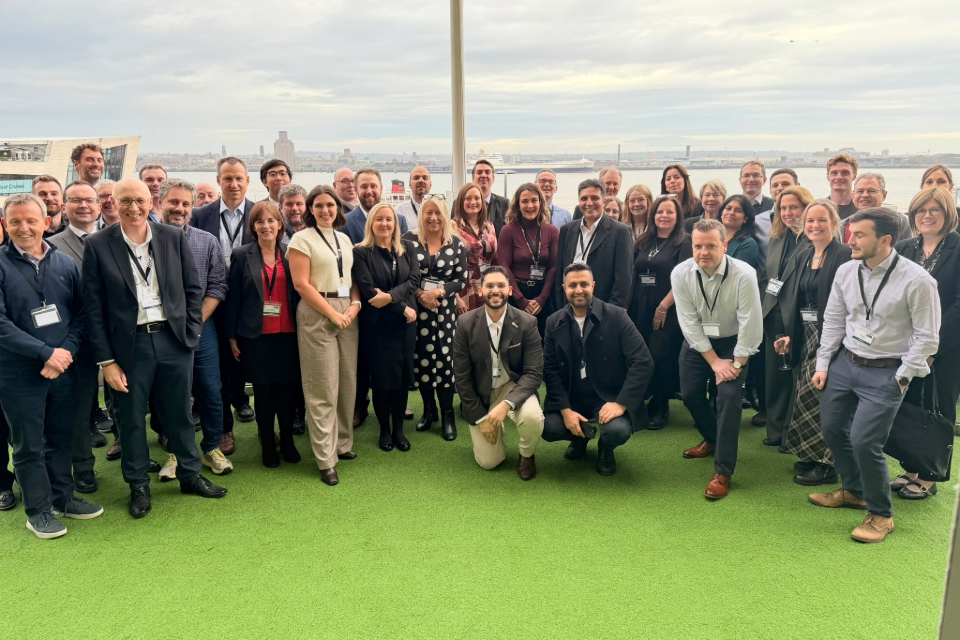
The UKRI-funded Hub for Advanced Long-acting Therapeutics (HALo) brought together leading experts from industry, healthcare, and government for a national strategy meeting to discuss how the UK can strengthen its leadership in long-acting therapeutics.
The event, Securing the Future: Shaping the UK Strategy of Long-acting Therapeutics, was jointly hosted by HALo, the Infection Innovation Consortium (iiCON), CPI, and the Henry Royce Institute.
Long-acting therapeutics – pharmaceutical agents and drug-delivery systems that release medication slowly and consistently over extended periods – represent a transformative area of medicine with the potential to significantly improve treatment adherence and patient outcomes.
A national facility, HALo aims to position the UK as a global leader in this emerging field and is part of Centre of Excellence for Long-acting Therapeutics Global Health (CELT Global Health).
It is led by the University of Liverpool and its key partners include the University of Manchester, Queen’s University Belfast, and the University of Nottingham.
The event took place on 6th November 2025 at Liverpool’s Liver Building and included representatives from the NHS, the Medicines and Healthcare products Regulatory Agency (MHRA), ViiV Healthcare, and Upperton Pharma Solutions, alongside industrial and contract development and manufacturing organisation (CDMO) stakeholders from across the UK.
Professor Steve Rannard, co-Director of CELT Global Health and Director of HALo, opened the meeting, which featured presentations and discussions exploring how the UK can accelerate innovation, build manufacturing capability, and expand equitable patient access to long-acting medicines.
He said: “This first meeting of industry and CDMO stakeholders to discuss the future of long-acting medicines in the UK will act as a platform for further targeted interactions. The interest in this emerging revolution in medicine was clear from the enthusiasm and energy throughout the meeting. HALo will continue to drive this agenda and engage strongly to build the depth of the UK’s capabilities.”
The event included sessions on regulatory frameworks, clinical needs, and manufacturing innovation, concluding with collaborative roundtable discussions on future research priorities and national partnerships.
The outcomes from the meeting will inform HALo’s continuing work to build a UK-wide network for long-acting therapeutics, supporting future collaboration between academia, industry, CDMOs and the NHS.
For more information about HALo, please click here or contact halo@liverpool.ac.uk.