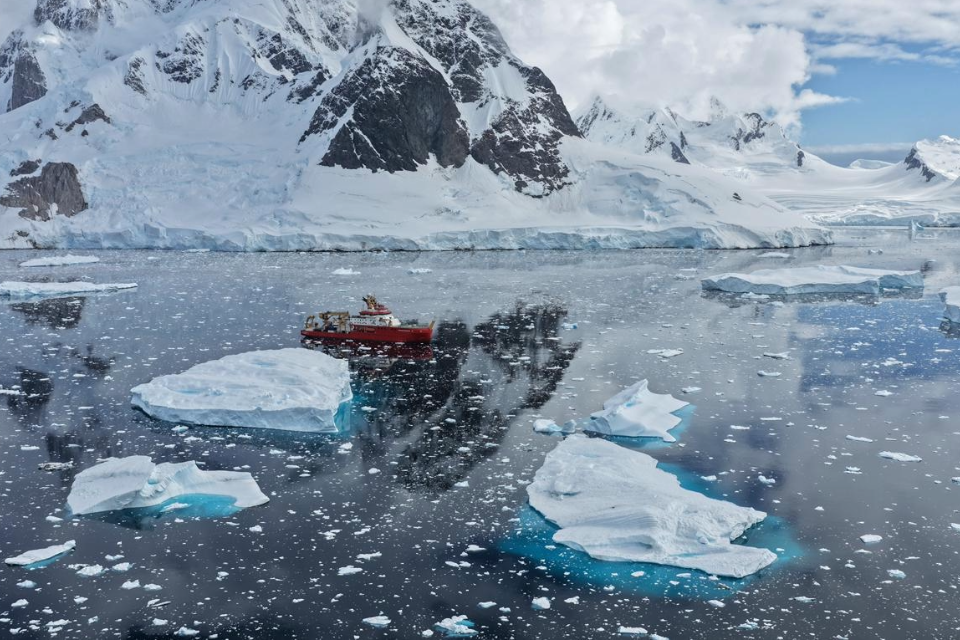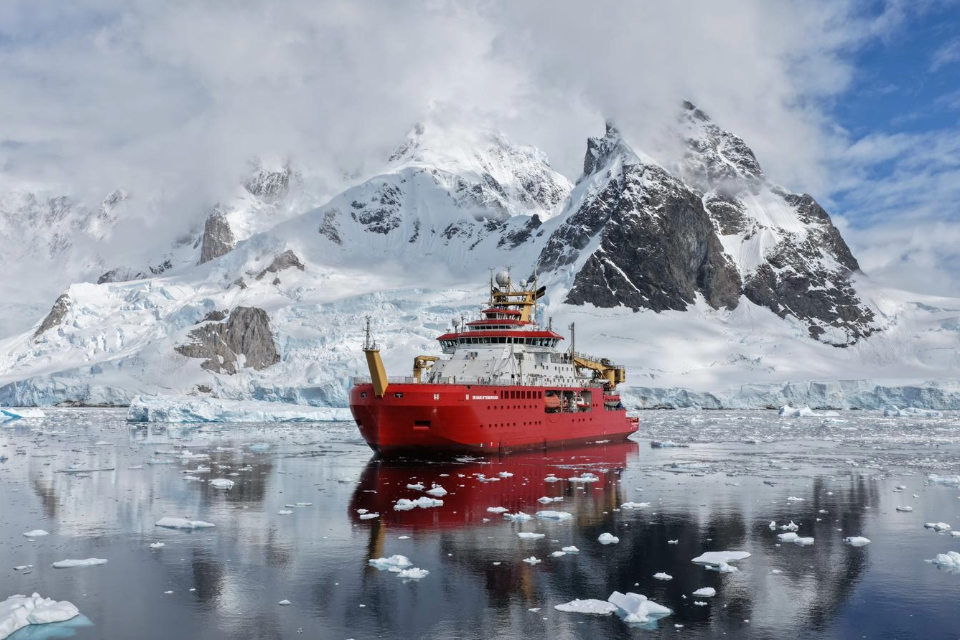
Researchers from the University of Liverpool are currently leading a seven-week research voyage in the Southern Ocean, one of the most remote and climatically important regions on Earth.
The expedition aboard the RRS Sir David Attenborough is investigating how the trace metals iron and manganese regulate ocean productivity and influence the Southern Ocean’s role in the global carbon cycle.
The team are part of the IronMan project (Iron and Manganese Impacts on the Future of Southern Ocean Ecosystems), which is led by Liverpool ocean scientist Professor Alessandro Tagliabue.
Using specialist oceanographic equipment and experiments, the researchers are analysing how trace metal inputs from glacial meltwater, seafloor sediments, and deep-sea hydrothermal vents shape marine ecosystems.
These processes are critical to understanding how the Southern Ocean absorbs carbon dioxide and how it may respond to future climate change.

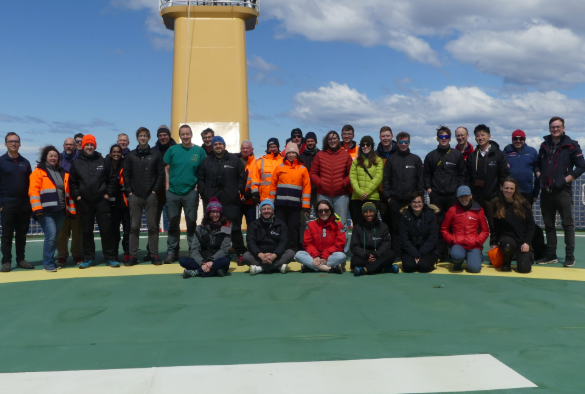
The University of Liverpool team includes Dr Chris Follett and PhD students, Ross Gracey and Chengwang Wang, from the Department of Earth, Ocean and Ecological Sciences within the School of Environmental Sciences. For the PhD students, the expedition offers a rare opportunity to experience large-scale ocean science firsthand – and for Ross, this is his first time at sea!
Professor Tagliabue said: “The scientific work we are undertaking is challenging, as it spans different disciplines and approaches in a harsh environment, but these efforts are the best way to unpick the way this unique system operates”
There are 31 scientists from five UK universities plus colleagues from six other nations are on the expedition which departed from Punta Arenas in southern Chile before sailing into the South East Pacific sector of the Southern Ocean.
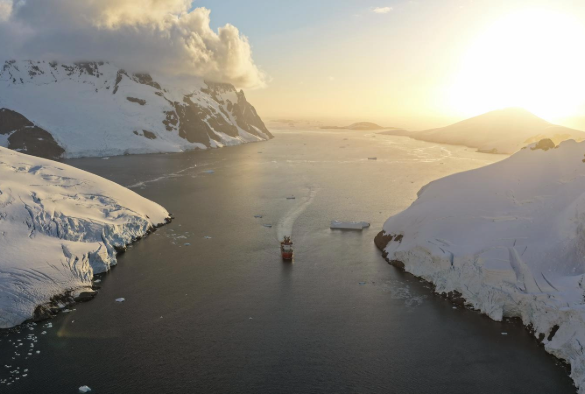
The voyage will then continue through the west Antarctic Peninsula before sailing back to Punta Arenas via Drake Passage.
They are currently conducting a multi-day set of operations south of Elephant Island, which is where Shackleton’s crew took refuge in 1916 after the destruction of HMS Endurance in the ice-covered Weddell Sea.
So far, they have measured changes in surface ocean biology and have already detected the influence of deep-sea hydrothermal vents on the availability of iron and manganese—nutrients that play a crucial role in sustaining marine life in the region.
The expedition included a stop at the UK Antarctic research station Rothera, where the scientists enjoyed time ashore exploring the surrounding landscape, observing wildlife, and even taking part in a friendly football match against the station staff.
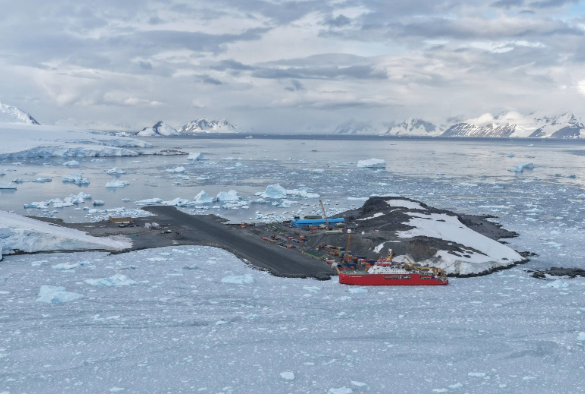
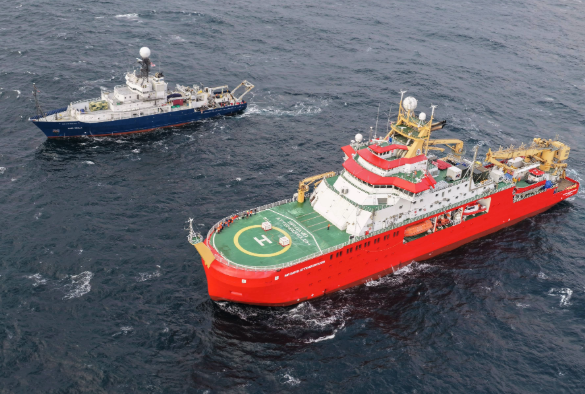
In Marguerite Bay, the team also encountered colleagues from the Palmer Long-Term Ecological Research (LTER) programme, who were working nearby aboard the US research vessel RV Roger Revelle.
In a symbolic moment of cooperation, the Roger Revelle flew the Union Jack while the Sir David Attenborough raised the Stars and Stripes.
Funded by the Natural Environment Research Council (NERC), the IronMan project brings together five UK universities and eight international partner organisations.
Ultimately, the project aims to improve climate and ecosystem models, helping scientists and policymakers better understand how climate change will affect the Southern Ocean—and, in turn, the global climate system.
Images credit: Lewis Bumstead, British Antarctic Survey