The University of Liverpool has launched a new MSc in Wildlife Health and Conservation, offering students the opportunity to develop the specialist skills needed to protect wildlife populations and support global biodiversity.
The programme is led by renowned academics from Liverpool’s Institute of Infection, Veterinary & Ecological Sciences and enriched through a new strategic partnership with Chester Zoo – one of the world’s leading conservation organisations. This collaboration provides students with access to expertise, facilities and real-world conservation initiatives.
Wildlife populations across the globe are facing increasing pressures, from climate change and habitat loss to emerging infectious diseases and human-wildlife conflict. The new MSc will equip graduates with the scientific understanding and practical experience needed to respond to these challenges and contribute to evidence‑based conservation.
Programme Director Professor Paula Stockley commented: “This MSc provides an exciting opportunity for students to gain the interdisciplinary skills needed to address some of the most pressing conservation challenges of our time. Our partnership with Chester Zoo further strengthens the programme, offering students invaluable insight into real‑world conservation practice.”
Liz Webb, Conservation Training Academy Manager, Chester Zoo said: “This partnership of two internationally recognised organisations is going to have a real positive impact on wildlife conservation. We’re very pleased to offer the expertise cultivated at the zoo, to share best practice and to inspire future conservation leaders.”
Designed for graduates from biological, veterinary, environmental, or related sciences, the MSc provides a foundation for PhD research or specialist roles at the interface of wildlife health, conservation and global health. It is also suitable for professionals looking to deepen their expertise in wildlife health and conservation.
The programme blends lectures, seminars, problem-based learning sessions, workshops, and field trips, alongside industry-relevant training. Students will work directly with conservation professionals, applying scientific principles to real-world scenarios.
Students will explore areas including:
- Wildlife disease ecology
- Conservation medicine
- Population monitoring and management
- One Health approaches to ecosystem wellbeing
- Field and laboratory research methods
Applications are now open for the inaugural autumn 2026 intake. Further information regarding the programme content, fees and entry requirements can be found on the MSc Wildlife Health and Conservation study page.
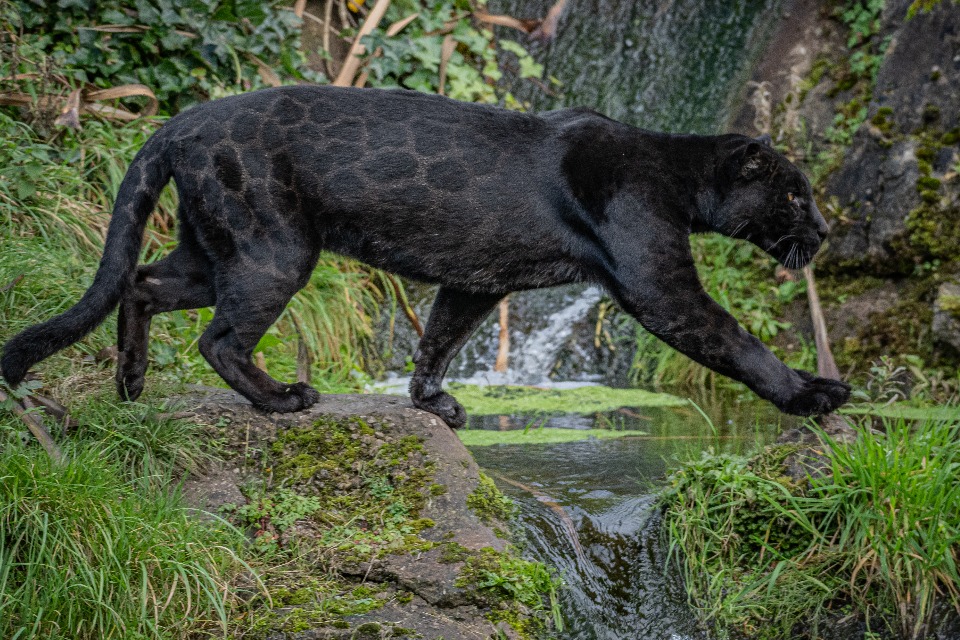
Photo: Inka, a black jaguar at Chester Zoo