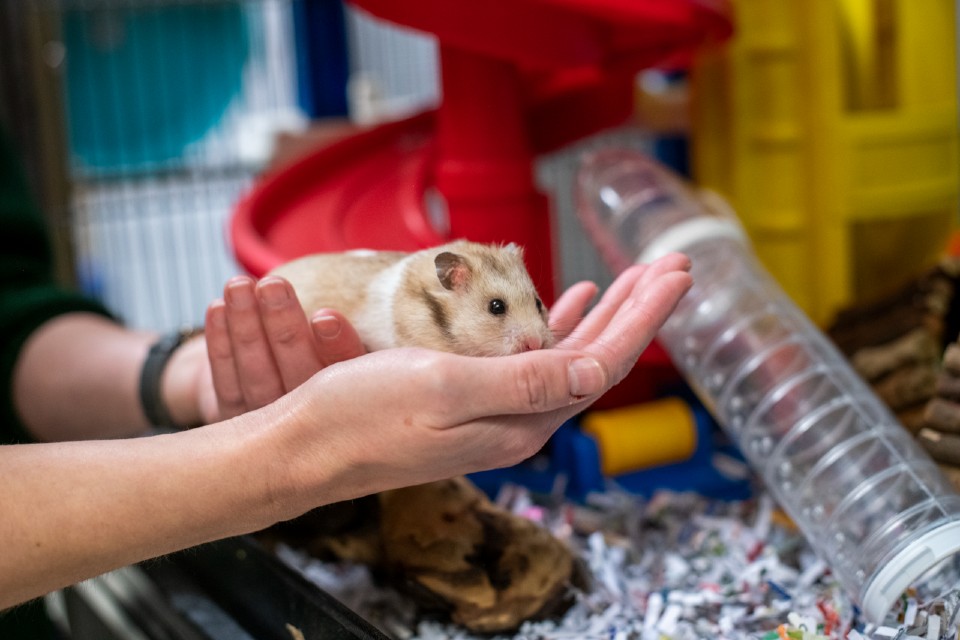
A novel new cohort study is seeking to recruit owners of small furry pets to assess the impact of these animals on owner wellbeing, gathering fresh insights into the human-animal relationship.
Researchers from the University of Liverpool are working with Woodgreen Pets Charity to recruit and study over time a cohort of people who adopt pet rabbits, guinea pigs, hamsters, rats, mice, and gerbils. The team will be assessing changes in owner wellbeing over a six-month period from adopting their pet. The study is funded by the Human-Animal Bond Research Institute in the USA.
Evidence around how the health and wellbeing impacts of pet ownership change over time will be strengthened by collecting repeated data from study participants and analysing them using sophisticated statistical approaches, developing clear understanding of cause and effect. This research will lead to recommendations which inform how shelters may best support and guide successful adoption choices.
The study will comprise of two parts:
- In-depth interviews with 30 owners of small furry pets will examine perceptions and experiences of impacts on owner wellbeing.
- A longitudinal cohort study will be conducted of 450 prospective adopters of a small furry rescue pet from UK animal charities.
Lead researcher the University of Liverpool’s Professor Carri Westgarth said: “We know pets can improve wellbeing, but most research focuses on dogs and cats. Much less is known about rescue or shelter adoptions or about smaller furry pets. This new study will follow owners over time to understand how these factors shape wellbeing and help improve future adoption advice.”
Woodgreen’s Dr Fiona Cooke said: “Small pets often surprise people with how much time and cost is involved in properly fulfilling their welfare needs. This is such an important project to help us understand more about the relationships between small pets and their people, and how we can set them up for success together.”
Potential participants can find more information here: Life with smalls study | Institute of Infection, Veterinary and Ecological Sciences | University of Liverpool