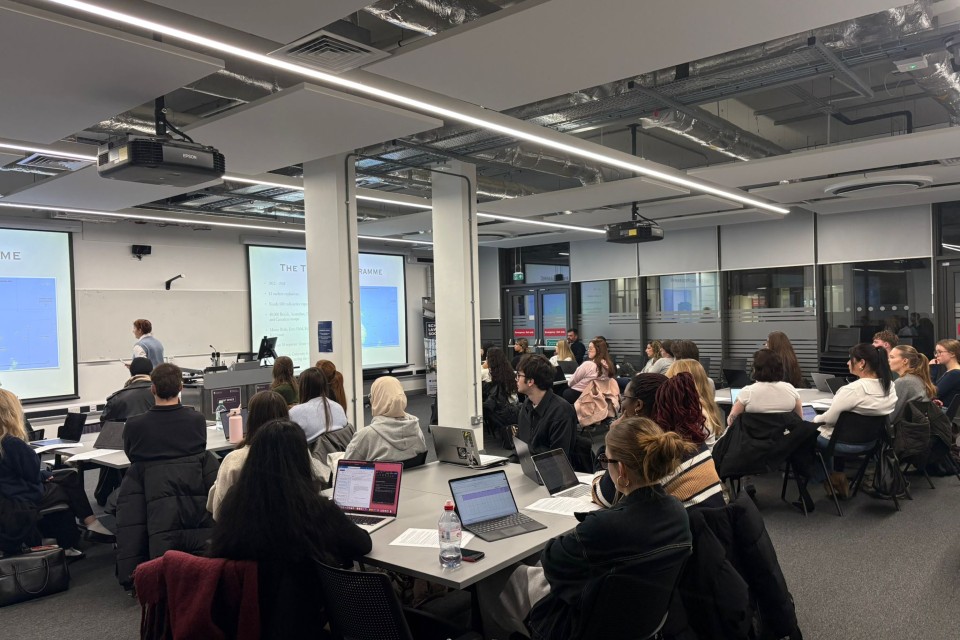
University of Liverpool students have played an important role in uncovering crucial new evidence that could transform the long-running fight for justice for Britain’s nuclear test veterans, through a rare opportunity to work directly with previously top-secret files.
As part of the Nuclear Justice Project, volunteer students from History, Law and Politics have been working in a ‘law clinic’ environment to analyse recently declassified government records alongside investigative journalist Susie Boniface. These files – many hidden for decades – contain key scientific and medical evidence relating to radiation exposure during 1950s nuclear weapons tests in the Pacific.
The project is led by Dr Jonathan Hogg and the Centre for People’s Justice, in collaboration with LABRATS, which represents the nuclear test veteran and descendant community.
The students’ work has contributed to major findings reported in the Sunday Mirror, revealing previously undisclosed evidence of radioactive contamination affecting troops and inhabited areas, including fish, rainwater and the wider environment on Kiritimati (Christmas Island).
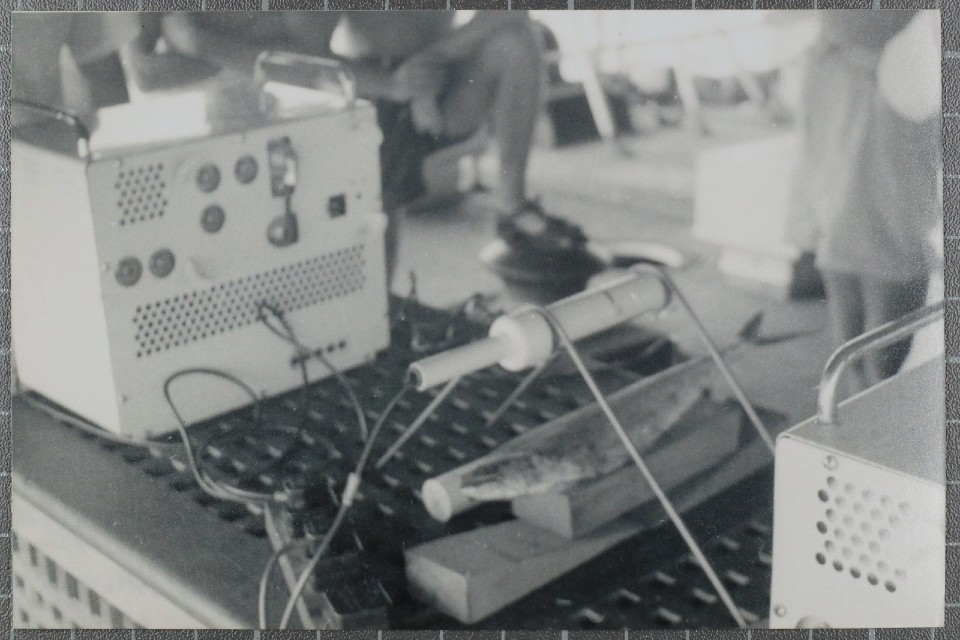
Courtesy of BNTVA Museum
Crucially, the evidence uncovered indicates that radiation levels were significantly higher than those presented in legal proceedings – raising serious concerns that previous court decisions, including a landmark 2016 case, were based on incomplete or misleading information and may therefore be unsafe.
This issue was raised in the House of Commons on Monday 16 March, when Julian Lewis MP called for Ministers to address the matter.
Susie Boniface explained the significance of the students’ work: “Three years ago I was shown the first evidence of blood testing on troops at our nuclear weapons trials. I traced them to the Atomic Weapons Establishment (AWE), and a database codenamed Merlin. Parliamentary pressure forced ministers to release 150 files.
“It is these files which students are combing through today. Their work has been vital in identifying supporting information and confirming that evidence of contamination was withheld from publication when it should have been made public.
“This project is not just rewriting a false and unjust historical record – it is helping to build a pathway to justice. Having students involved in analysing this material has been extraordinary.”
Alan Owen, Director of LABRATS, said: “The students’ work has been instrumental in helping us understand and evidence material that has been hidden for decades. This collaboration is ensuring that the truth is finally coming to light.”
For the students involved, the experience has been both unique and impactful. Volunteer History student Alice Shadbolt said: “It’s an incredibly rare opportunity to work directly with this kind of evidence—documents that were once secret and are now central to questions of justice. Seeing firsthand how this material could change outcomes for veterans and their families has been both eye-opening and deeply meaningful.”
Dr Jonathan Hogg added: “Opportunities like this – where students can engage directly with previously classified evidence that has real legal and human consequences – are exceptionally rare. What they are uncovering not only reshapes the historical record but may also have profound implications for justice.”
The students will continue working through the remaining files, with further discoveries expected as the archive is explored in more depth.
The Nuclear Justice Project is funded by Research England’s Policy Support Fund and is linked to the work of the Centre for People’s Justice in advancing public understanding of access to truth, accountability, and the potential impact of Hillsborough Law.
Professor Helen Stalford (School of Law and Social Justice) said: “This project represents a vital step in ensuring veterans and their families gain access to information they have sought for decades. By combining legal expertise, archival research and lived experience, we are helping to lay the foundations for meaningful and lasting justice.”
Project collaborator Professor Chris Hill from the University of South Wales commented:
“As students sift through an archive of up 28,000 files, they help to carry the burden of history for veterans and their families. This is a brilliant initiative in which veterans, students and educators are all enriched by their work together.”
The landmark project ‘An Oral History of British Nuclear Test Veterans’ completed in 2025 documents the experiences of military and civilian personnel who took part in British nuclear test operations between 1952 and 1967. Click here to read its final report: https://www.liverpool.ac.uk/humanities-and-social-sciences/research/projects/nuclear-test-veterans/