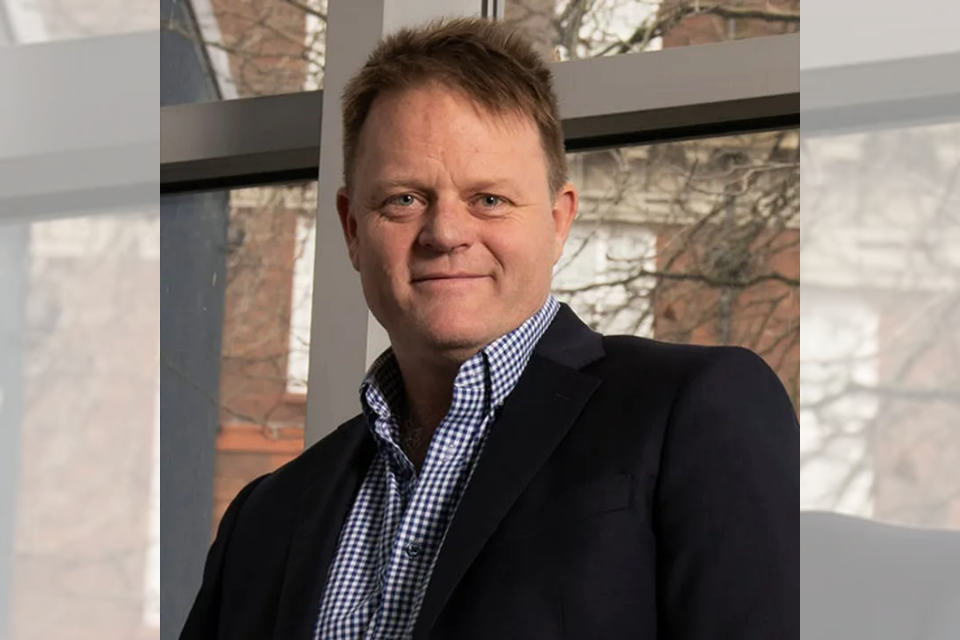
A University of Liverpool researcher dedicated to tackling the urgent issue of antimicrobial resistance (AMR) has joined a major new international consortium formed to accelerate antibiotic discovery.
The Gates Foundation, Novo Nordisk Foundation, and Wellcome has awarded $60 million in new grant funding over the next three years to research teams around the world exploring novel approaches to antibiotic discovery to deal with the growing threat of antimicrobial resistance (AMR).
The Gram-Negative Antibiotic Discovery Innovator (Gr‑ADI) consortium will unite partners across 17 countries and 18 projects. Among these is a major initiative led by Professor William Hope, Dame Sally Davies Chair of AMR Research at the University of Liverpool. His project, the Combination Antibiotic Accelerator, received £8m and will develop, test and prioritise antibiotic combinations that can effectively target highly drug‑resistant bacterial infections and slow the emergence of new resistance. Read more about the project here.
Gr-ADI will function as a first-of-its-kind consortium where multiple funders and research teams openly share data and learnings and work collectively to accelerate the discovery of urgently needed antibiotics.
Professor Hope said: “The inclusion of this project within the Gr‑ADI consortium strengthens our collaborative mission and ensures that discoveries feed into a wider global effort. AMR is one of the top global public health and development threats. This investment provides vital fuel for work that could deliver life‑saving impact.”
AMR is a growing global health crisis that undermines the effectiveness of medical treatments, leading to millions of deaths each year and more than $1 trillion in economic losses worldwide. Despite the scale of the challenge, the high cost of developing new antibiotics means scientific progress is not keeping pace with rising resistance, particularly in Gram-negative bacteria.
While AMR affects populations globally, people in low‑ and middle‑income countries (LMICs) — where the burden of infectious disease is highest — face disproportionate risk. As drug resistance spreads, routine infections and everyday medical procedures are increasingly becoming life‑threatening.
Research teams in Ghana, South Africa and Brazil are among those selected to join the consortium. All researchers will have access to technical experts from LMICs to support and guide their work, helping ensure discoveries benefit the places where the need is most urgent.